
|
Zurich, Switzerland, 26 September 2007IBM's (NYSE:
IBM) researchers today unveiled a prototype visualization software
that allows doctors to interact with medical data the same way they
interact with their patients: by looking at the human body.
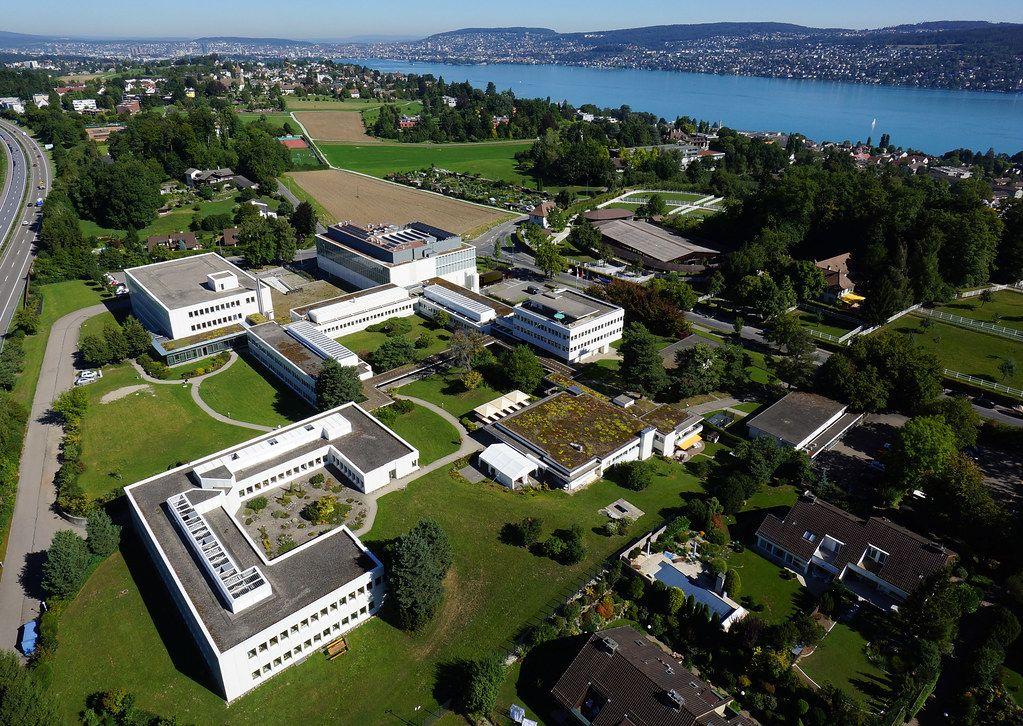
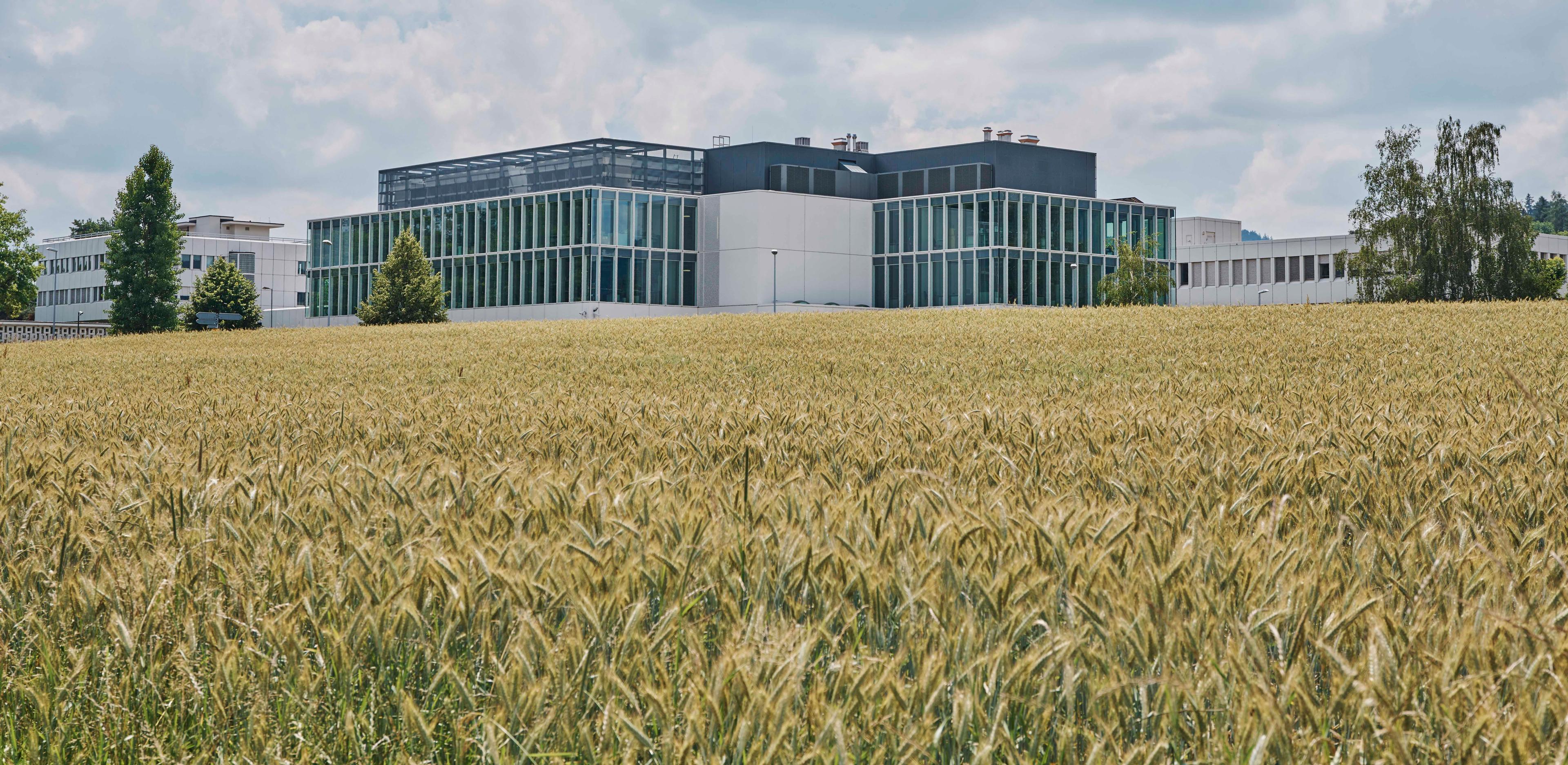
Created at IBM's famed Zurich Research Lab, the technology uses
an avatara 3-D representation of the human bodyto allow
doctors to visualize patient medical records in an entirely new
way. Called the Anatomic and Symbolic Mapper Engine (ASME), this
innovative visualization method allows a doctor to click with the
computer mouse on a particular part of the avatar "body"
to trigger a search of medical records to retrieve relevant information.
"It's like Google Earth for the body," said IBM Researcher
Andre Elisseeff, who leads the healthcare projects at IBM's Zurich
Research Lab. "In hopes of speeding the move toward electronic
healthcare records, we've tried to make information easily accessible
for healthcare providers by combining medical data with visual representation,
making it as simple as possible to interact with data that can improve
patient care."
For example, when a patient visits a doctor's office today and
complains of back pain, the doctor will ask the patient about any
history the patient can recall, do tests, and visually and physically
examine the patient. After that, the doctor will usually sort through
stacks of paper records but will most likely not have access to
the full patient history and similar complaints.
The ASME 3-D avatar will allow doctors to click on the 3-D avatar
of the human bodyhere the spineand instantly see all
the available medical history and information related to that patient's
spine, including text entries, lab results and medical images such
as radiographs or MRIs. Or the doctor might be interested only in
information related to a particular part of the heart; in this case,
the practitioner can zoom in, narrowing the search parameters by
time or other factors.
Using advanced machine learning and state-of-the-art 3-D modeling
techniques, the IBM researchers are working to overcome key technical
challenges including integrating heterogeneous data sources and
complex text-based informationso-called unstructured dataand
linking that data to the anatomical model in a meaningful and easy-to-navigate
way. ASME also uses SNOMED, the systemized nomenclature of medicine
that encompasses approximately 300,000 medical terms, to create
a bridge between graphical concepts and text documents.
ASME is the result of a collaboration between IBM Denmark and IBM
Research. By bringing its sales force and its research organization
together, IBM has created a unique innovation team with deep understanding
of the industry and leading technical expertise.
The need for electronic health records
Advances in technology are driving great breakthroughs in medical
treatment and care, but today's health records do not fully take
advantage of what is available. Patient records are static and flatconsisting
either of unstructured data written on paper or more structured
text information stored in various databases. In either case, the
records provide disparate bits and pieces of information on diagnoses
and diseases; accessing a comprehensive history proves to be an
enormous challenge.
Because the industry is still in the very early stages of achieving
fully functional electronic health records (eHR) system, which would
enable the sharing of information among hospitals, clinics and other
providers in a way that protects individual patient privacy, most
medical professionals prefer to use paper records or their own proprietary
system for keeping eHRs. But what if a system could bring together
all these flat and static pieces to derive a dynamic and full picture
of a patient's health status in real time? And what if the system
were to provide this information in an intuitive and easy-to-use
way? With ASME, IBM researchers have now presented the first research
prototype of such a systemASME allows navigating through a
virtual map of the human body, an intuitive approach for health
care professionals.
Building on previous IBM healthcare IT milestones, ASME is the
medical information hub that semantically integrates information
from IBM's Health Information Exchange (HIE) with a virtual model
of the human body.
Moving forward, a vision for the future is also to explore integrating
speech technology into ASME.
About the IBM Zurich Research Laboratory
The IBM Zurich Research Laboratory (ZRL) is the European branch
of IBM Research. This worldwide network of some 3500 employees in
eight laboratories around the globe is the largest industrial IT
research organization in the world. ZRL's spectrum of research activities
ranges from basic science and fundamental research in physics and
mathematics, to the development of computer systems and software,
to the design of novel business models and services.
|