
|
Zurich, Switzerland, June 25, 2008—IBM (NYSE:IBM)
and ETH Zurich, a premiere European science and engineering university,
today announced the formation of a partnership in the field of
nanotechnology.
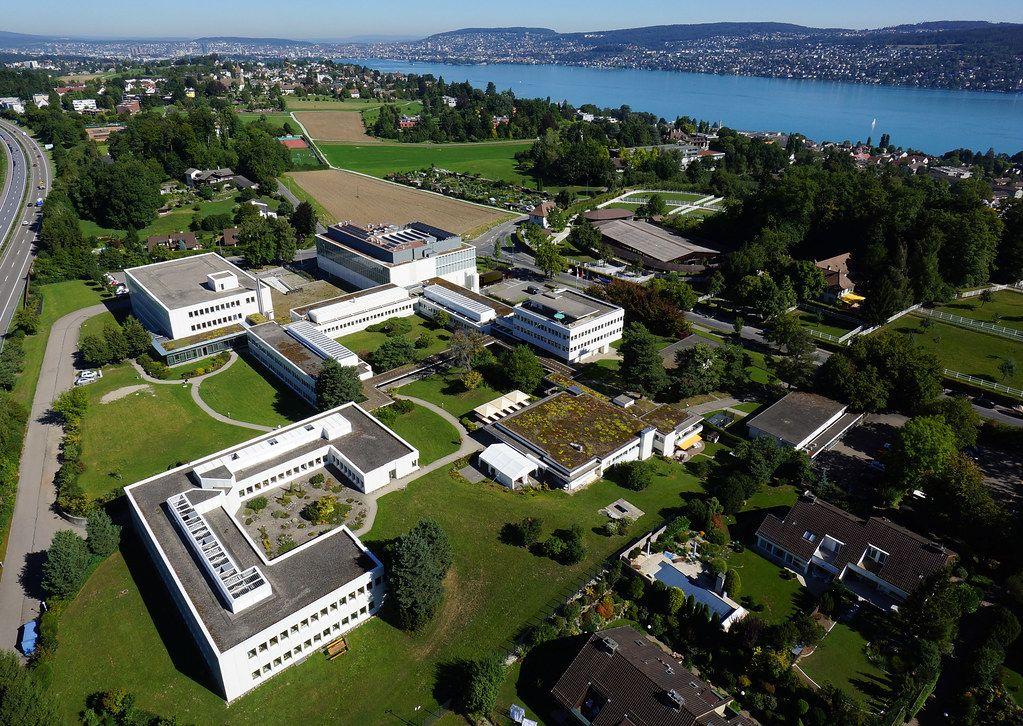
As part of this collaboration, a new nanotechnology laboratory
will be constructed on the campus of IBM Research - Zurich
to focus on key nanotechnology research areas ranging from exploratory
and basic research to applied and near-term projects.
Under the $90 million, multi-year program, researchers and engineers
from IBM and ETH Zurich will join forces to conduct research into
new atomic and molecular-scale structures and devices for enhancing
information technologies, as well as into discovering and understanding
their scientific foundations—all in dimensions
below 100 nanometers (approximately 400 times thinner than a human
hair).
“By creating this common research center, IBM is expanding
a collaborative and cooperative research program aimed at accelerating
our understanding and implementation of nanotechnology and its
broad range of applications,” said
Dr. John E. Kelly III, senior vice president and director of IBM
Research. “We see this type of collaboration as an emerging
model for future industry-academic partnerships.”
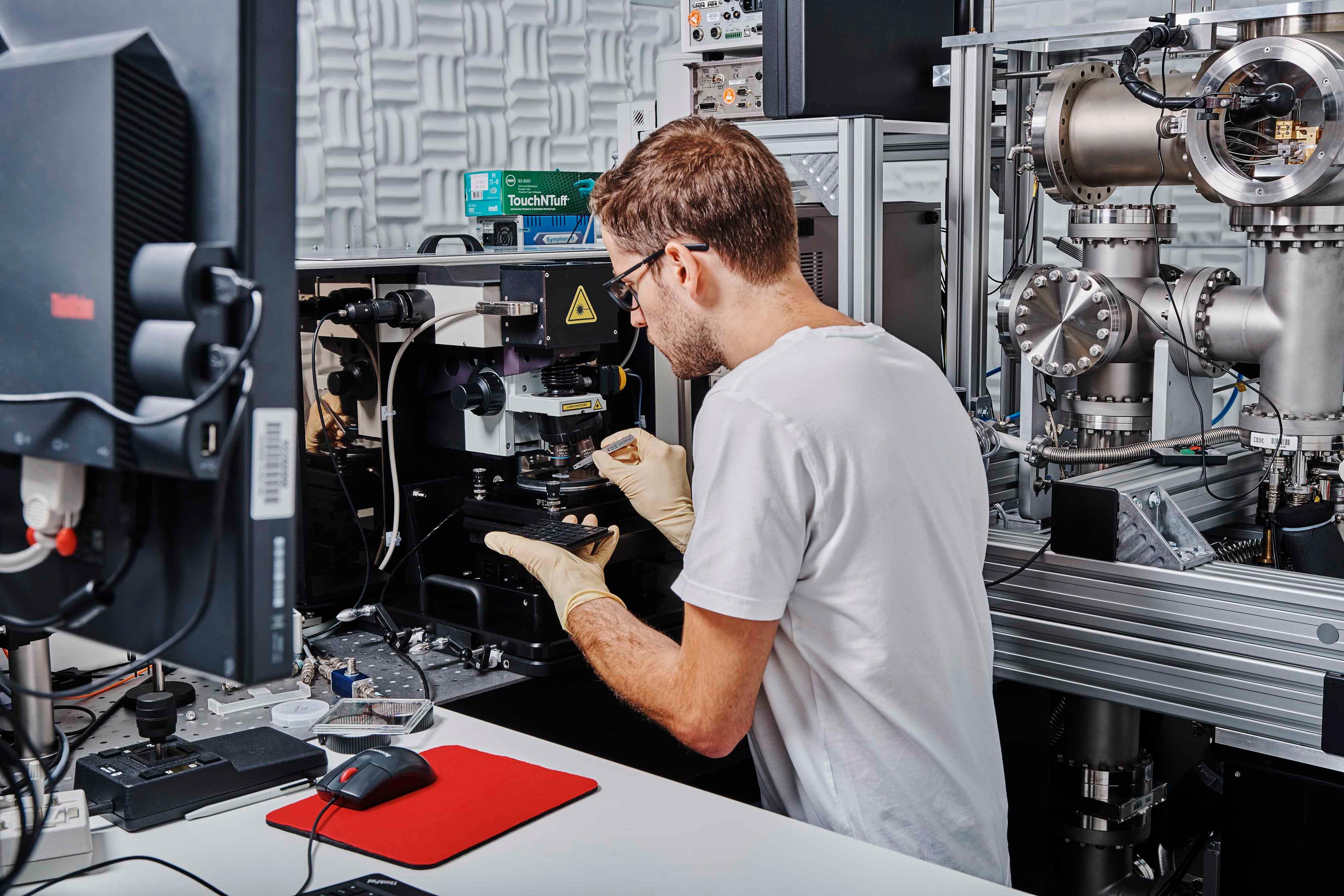
The new nanotechnology center will occupy nearly 1,000 square
meters of cleanroom space dedicated to research projects, such
as carbon-based materials, nano-photonics, spintronics, nanowires,
and tribology. It will allow for research on new device concepts
based on carbon materials utilizing quantum mechanical effects
for computing and sensing, and it will contribute to resolving
upcoming challenges in nano-manufacturing by research aimed at
directed self assembly of nanostructures and molecular functional
materials, and 3D integration.
“The joint nanotechnology center on the IBM campus is a
perfect complement to the existing research infrastructure at ETH
Zurich,” said Prof. Ralph Eichler, president of ETH. “An
important aspect of the new center is the unique opportunity for
our scientists and students to pursue their research in close collaboration
with an industrial partner, which is an important asset in ETH
Zurich’s education and science curriculum.”
This investment follows IBM’s $100 million three-year commitment
announced earlier this year to focus on areas of nanotechnology
to build the next switch, with research in atomic-scale and molecular
switching, self-assembly, spintronics, and new materials such as
graphene and carbon nanotubes.
Already one of the largest global centers for nanotechnology,
IBM’s Zurich Research Lab has a long-standing tradition of
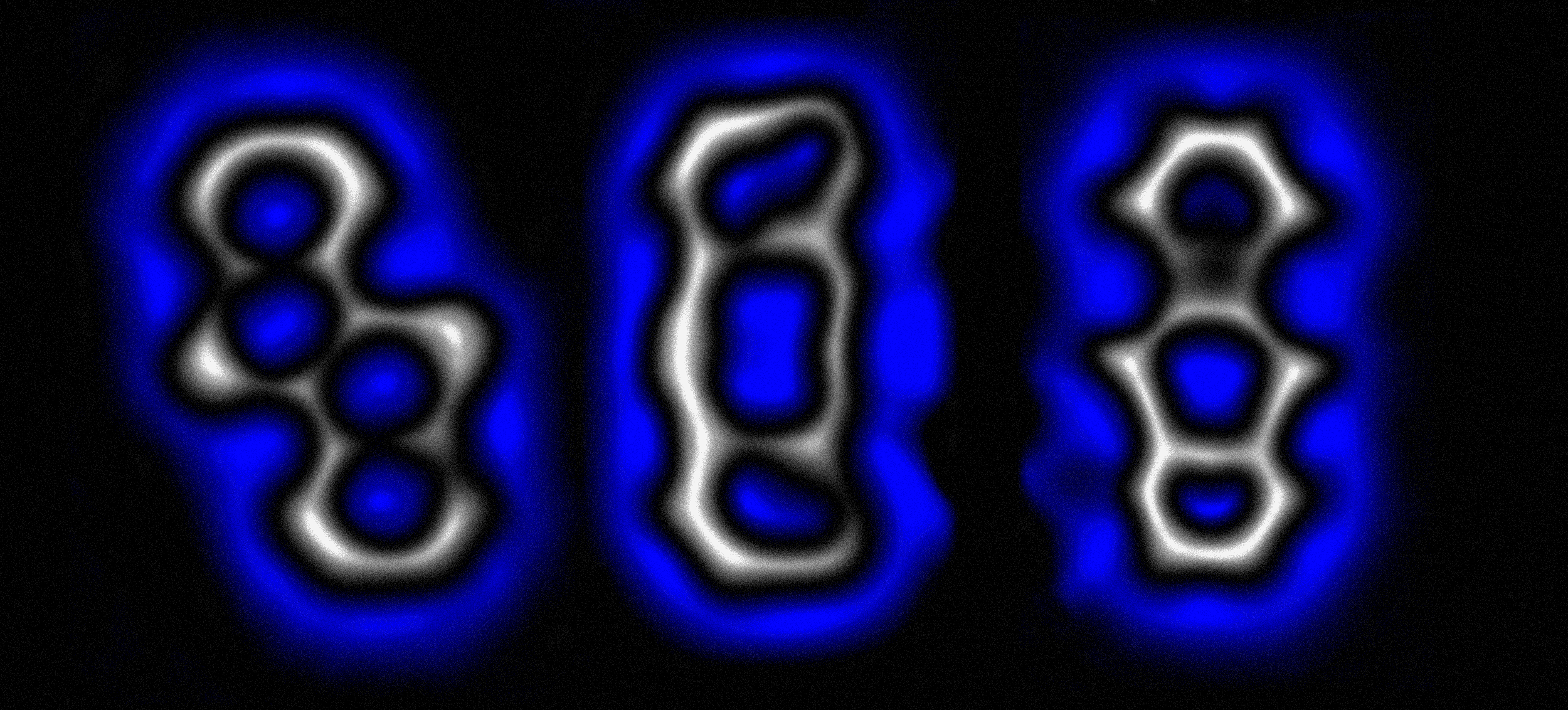
scientific collaboration and is the birthplace of nanotechnology. Nanotechnology
started with the development of the scanning tunneling microscope
at the IBM Zurich Research Lab, for which Gerd Binnig and Heinrich
Rohrer received the Nobel Prize in Physics in 1986. This
instrument allowed the first look into the world of atoms. Shortly
afterwards, an IBM researcher used this invention to become the
first person to manipulate individual atoms.
Nanotechnology is an enabling technology that is expected to spark
advances in various fields. These include advanced functional
materials, nanoelectronics, information and communication technology,
sensing, tools, healthcare and life sciences, and energy technology. In
particular, nanotech applications in the energy sector, such as
more efficient use of solar energy, or new ways of purifying or
desalinating water, may even help tackle some of the biggest challenges
of our time. Analysts of Credit Suisse estimate a growth rate for
nanotechnology of 25 to 30% per year and a market size of
220 billion USD by 2010.*
ETH Zurich
ETH Zurich (Swiss Federal Institute of Technology Zurich) has a
student body of 14,000 students from 80 nations. Nearly 360 professors
teach mainly in engineering sciences and architecture, system-oriented
sciences, mathematics and natural sciences, as well as carry
out research that is highly valued worldwide. On a yearly basis,
ETH Zurich applies for 80-100 patents and directly supports
the founding of up to 20 spinoff companies. Distinguished by
the successes of 21 Nobel laureates, ETH Zurich is committed
to providing its students with unparalleled education and outstanding
leadership skills. The Platform of Micro and Nano Sciences
is a competence center at ETH Zurich, connecting the expertise
of 43 research groups from nine departments.
IBM Research - Zurich (ZRL)
IBM Research - Zurich is the European branch of IBM
Research. This worldwide network of more than 3500 employees
in eight laboratories around the globe is the largest industrial
IT research organization in the world. ZRL, which was established
in 1956, currently employs some 330 persons, representing more
than 30 nationalities. ZRL's spectrum of research activities
includes nanoscience, future chip technology, supercomputing,
advanced storage and server technologies, security and privacy,
risk and compliance, as well as business optimization and transformation.
World-class research and outstanding scientific achievements—most
notably two Nobel Prizes—are associated with the Zurich
Lab.
*Credit
Suisse, Global Nanotechnology Index, Nano Circle, February
2008.
|